Navigating Our Mental Wellness
Last week I thought I was having a heart attack. I was immediately overwhelmed with emotion analyzing the warning signs. The entire sequence of events that afternoon was alarming. I immediately left the office and sought care at an urgent care facility where my vitals were quickly tested and a precautionary EKG was administered. All of my vitals game back normal.
After speaking with the doctor, it was clear – it was an anxiety attack. Simply put: there was nothing medically to worry about.
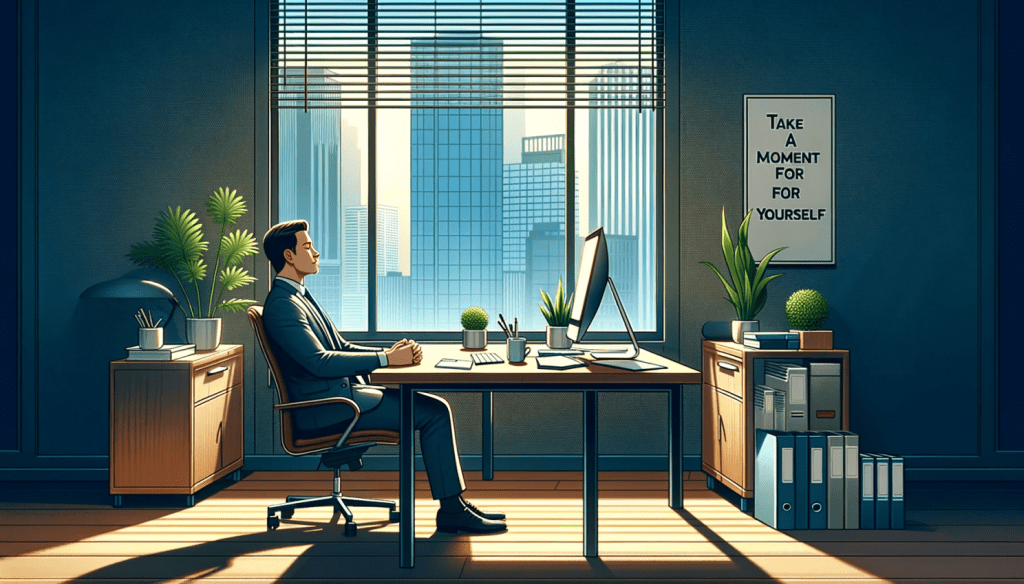
So, what caused it?
I believe it was likely anxious thinking that I had bottled up inside and my failure to effectively process the recent passing of a fraternity brother. He was 39 and an incredibly kind person – a human that we should all aspire to be like. His life was tragically cut short.
While I’d like to think that I am open about my emotions and mental health – especially on Cautious Coffee – there are some things that I don’t always process outwardly and I tend to bottle them up inside before they reach a breaking point. I don’t know why, but it is what it is.
So where do we go from here?
While I stress the importance of taking care of your personal mental wellness, I’ve never sought professional counseling. I’m not sure if it’s a stigma or a fear – I’ve just never considered seeking guidance or opening discussing it. It’s time to change.
As Jeremy opined on this week’s episode of the podcast, there are three pegs that hold up our anxious thinking: our overestimation of risk, the impact error and our overestimation of bad things, and that we underestimate our own resources to deal with the problem.
You know the data – about one in five adults in the U.S. live with a mental illness. Navigating our mental health alone isn’t easy.
While I’m not a subject matter expert, I believe there are four immediate actions I can take to create a positive future for my mental wellbeing:
- Professional Support: Don’t hesitate to seek help from a therapist or counselor if you’re struggling with anxiety or stress. Professional guidance can be crucial in developing effective coping strategies. Most of the companies we work for offer some sort of Employee Assistance Program (EAP). If you’re not familiar with your EAP benefits, I’d encourage you to explore them. I’m already taking on that process.
- Mindful Practices: Incorporate mindfulness techniques like meditation, deep breathing, or yoga into your daily routine. Even a few minutes a day can help reduce stress and anxiety.
- Regular Exercise: I need to be more diligent about this. Engaging in physical activities like walking, jogging, or going to the gym releases endorphins, improving mood and mental clarity.
- Work-Life Balance: Set clear boundaries between work and personal time to avoid burnout. This means having specific work hours and dedicating time to relax and enjoy personal activities. If you have vacation time, use it.
Managing anxiety and mental health is crucial for all of us as it can significantly impact both personal well-being and professional performance. As DeRae Crane often tells us: know your brain and body. You only have one life – take care of yourself. You aren’t guaranteed a second chance. Do it for yourself and those that you love.
If you or someone you know is struggling, you are not alone. There are many supports, services and treatment options that may help. Learn more.
 Cautious Coffee